The Creator Commerce Flywheel: How Creators, Businesses, Partners, and Fans Grow Together

Amazon's flywheel is legendary. Lower prices attract more customers. More customers attract more sellers. More sellers increase selection. More selection improves the customer experience. The flywheel spins faster and becomes harder to stop. Jeff Bezos sketched it on a napkin in 2001, and it became the most valuable business model in retail history.
But Amazon's flywheel was built for the search-and-buy era — a world where customers know what they want and optimize for price and convenience. The next era of commerce is driven by discovery, trust, and content. And it needs a new kind of flywheel.
💡The shift from "I know what I want" (search commerce) to "show me what I need" (discovery commerce) is the largest structural change in retail since the smartphone. Platforms built for the latter need fundamentally different network effects.
The Four Nodes of the Creator Commerce Flywheel
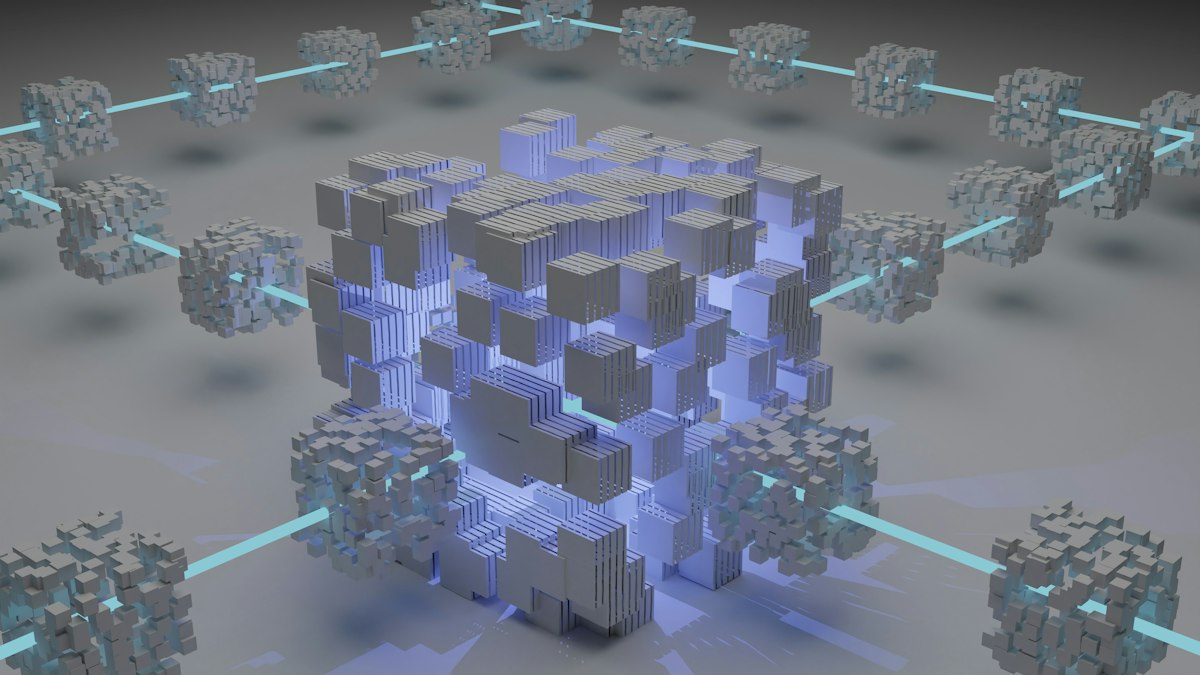
The Wootmarts ecosystem connects four distinct participant groups, each of which makes the others more valuable. Unlike a traditional marketplace with two sides (buyers and sellers), the creator commerce flywheel has four nodes — and the interactions between them create compounding value that accelerates over time.
Node 1: Creators Connect Their Channels
Creators — TikTok influencers, YouTube reviewers, Instagram lifestyle accounts, beauty vloggers, home decor stylists — connect their social channels to Wootmarts and authorize their content for product matching. They don't need to change how they create content. They keep doing what they already do: making authentic videos that resonate with their audience. Kiwana's AI handles the commerce layer, identifying products in their content and making them shoppable.
For creators, this solves the fundamental monetization problem: turning content views into commerce revenue without compromising authenticity. A lifestyle creator who shows their morning routine doesn't need to do a sponsored "unboxing" segment. The products they naturally use become purchasable through AI-detected hotspots in their existing content.
Node 2: Businesses List Their Products
Businesses — whether they're Amazon FBA sellers diversifying their channels, Etsy artisans looking for broader exposure, Wayfair home goods brands seeking authentic product placement, or direct-to-consumer brands wanting creator distribution — list their products on Wootmarts. The AI automatically matches their inventory to relevant creator content.
This eliminates the traditional influencer marketing overhead. Businesses don't need to identify creators, negotiate deals, ship samples, or manage relationships. The AI does the matching based on visual product detection. A home goods seller's new lamp collection automatically appears as shoppable options when interior design creators feature similar products in their room tours.
Node 3: Fans and Shoppers Discover and Buy
Consumers browse a TikTok-style shoppable video feed on Wootmarts, discovering products through creators they trust. The experience is fundamentally different from scrolling Amazon search results — it's entertainment-first commerce where the purchase decision is driven by authentic demonstration and social proof rather than reviews and price comparison.
The value proposition for shoppers is discovery. Instead of knowing what they want and searching for the best deal, shoppers see products in real-world context from people whose taste they admire. "I want what she has" is a more powerful purchase trigger than "lowest price for 6-pack cotton towels." Social commerce taps into aspiration and trust — the two drivers that traditional marketplaces struggle to replicate.
📊Social commerce conversion rates are 3-5x higher than traditional product pages. Average order value is 31% higher when products are discovered through creator content versus search. -- eMarketer / McKinsey
Node 4: Partners Grow the Network
The fourth node is partners — influencers, bloggers, community leaders, and advocates who refer new creators and shoppers to the ecosystem and earn 4% commission on every purchase from their referrals. Partners are the growth engine that accelerates the flywheel by continuously bringing new participants into the ecosystem.
Partners solve the cold-start problem that kills most marketplace platforms. Instead of spending millions on user acquisition advertising, Wootmarts incentivizes its existing community to grow the network organically. Every partner who refers a creator or shopper benefits from that referral's lifetime activity on the platform — creating aligned incentives that compound over time.
How the Flywheel Spins
The magic of a flywheel is that each node reinforces the others. Here's the cycle:
- More creators join and connect their channels → more shoppable content is available
- More shoppable content attracts more shoppers → higher sales volume
- Higher sales volume attracts more businesses → more products are listed
- More products give creators more to monetize → creators earn more, more creators join
- Partners accelerate every transition by referring new creators, shoppers, and businesses
Each cycle makes the next cycle faster. A creator who joined when there were 1,000 products in the catalog earns more when there are 10,000 products because the AI has more matches to surface. A business that listed products when there were 100 creators gets more exposure when there are 1,000 creators. The compounding effect is what makes flywheels so powerful — and so difficult for competitors to replicate once they're spinning.
Why This Flywheel Is Different From Traditional Marketplaces
Traditional two-sided marketplaces like Amazon, Etsy, and Wayfair have a buyer-seller flywheel where more buyers attract more sellers and vice versa. But these flywheels have a structural limitation: they compete primarily on price and selection, which commoditizes both the buyer and seller experience. The only moat is scale.
The creator commerce flywheel adds two additional dimensions — trust (via creators) and distribution (via partners) — that create defensibility beyond pure scale. A shopper doesn't buy on Wootmarts because it has the lowest price. They buy because a creator they follow and trust featured the product in content they were already watching. That emotional and social context cannot be replicated by a marketplace that treats products as interchangeable SKUs.
In the search era, the platform with the most products won. In the discovery era, the platform with the most trusted voices wins. The creator commerce flywheel is built for the discovery era.
The Role of AI in Accelerating the Flywheel
Kiwana's AI is the invisible infrastructure that makes the flywheel spin without friction. Computer vision scans creator content and identifies products. Natural language processing understands product descriptions and creator commentary. Recommendation algorithms match the right products to the right content. All of this happens automatically — creators don't need to tag products, businesses don't need to find creators, and shoppers don't need to search.
This AI layer is the critical difference between Wootmarts and earlier social commerce attempts that required manual curation. Previous platforms asked creators to manually link products — a process that was tedious, error-prone, and didn't scale. By automating product detection and matching, Kiwana removes the friction that historically prevented creator commerce from reaching its potential.
And the flywheel spins even faster with Slyce, Kiwana's AI video clipping tool. Slyce lets creators turn a single long-form video into 8-12 platform-optimized short-form clips in minutes — each one a new piece of shoppable content. More clips mean more product surface area, more discovery opportunities for shoppers, and more commission for creators. Slyce doesn't just help creators post more — it multiplies the commerce potential of every piece of content they produce.
Implications for Every Participant
- Creators: Your content is already valuable. The flywheel means more products to monetize, more shoppers watching, and more commission — without changing how you create.
- Businesses: Your products find their audience through authentic content. The flywheel means more creators featuring your products and more shoppers discovering them — without ad spend.
- Shoppers: You discover products through people you trust. The flywheel means more creators, more variety, and more authentic recommendations — instead of ads and search results.
- Partners: You earn from growing the network. The flywheel means your referred users become more active and more valuable over time — compounding your commission.
Join the Flywheel
Every flywheel has early movers who benefit most from the compounding effects. If you're a creator, connect your channels at app.wootmarts.com. If you're a business, list your products at wootmarts.com/businesses. If you want to grow the network and earn recurring commission, join the Partner Program. The flywheel is spinning — the question is whether you're part of it.
Sources
- Amazon's Virtuous Cycle (Flywheel) — About Amazon
- Social Commerce Market Growth Projections — Accenture
- The Power of Network Effects in Marketplace Businesses — Andreessen Horowitz
- Creator Commerce and the Future of Retail — McKinsey & Company
- Video Commerce Conversion Rate Benchmarks — eMarketer